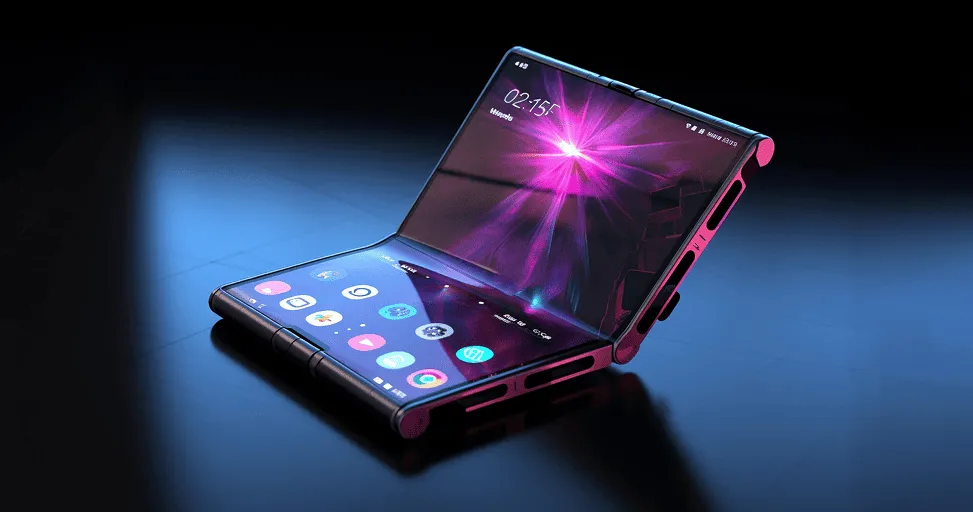
Android Foldables: What Users Should Know Before Buying
A few years ago, foldable phones felt like the kind of technology people admired from a distance. You’d watch a video online, see someone unfold a phone into a tablet-sized screen, and think:
“That’s pretty cool.” But then you’d see the price and quickly move on. For many people, foldables felt more like a glimpse into the future than something they would actually buy. Fast forward to 2026, and things have changed quite a bit. Foldable phones are no longer rare. Walk into any electronics store, and you’ll likely find several options from major smartphone brands. They’re showing up in coffee shops, offices, airports, and even in the hands of people who aren’t necessarily tech enthusiasts.
That doesn’t mean foldables are perfect. And it definitely doesn’t mean they’re the right choice for everyone. But they have reached a point where they’re worth taking seriously. If you’re thinking about buying one, there are a few things you should know before making the jump.
The Appeal Becomes Clear Very Quickly
The first time I spent a few minutes using a foldable phone, I understood why people were excited about them. On paper, a larger screen doesn’t sound revolutionary. After all, tablets have existed for years. But there’s something different about having a device that fits in your pocket and then opens into something much larger whenever you need it.
-
Reading articles feels more comfortable.
-
Watching videos feels more immersive.
-
Browsing websites requires less zooming and scrolling.
-
Even simple tasks like checking emails or planning a trip feel easier on a bigger screen.
It’s one of those features that makes more sense when you experience it yourself rather than reading about it.
Foldables Solve a Problem Many People Didn’t Realize They Had
For years, smartphone manufacturers faced the same challenge. People wanted larger screens. But they didn’t want larger phones. Every year, phones become slightly bigger because consumers enjoy having more screen space. The downside was that carrying those phones became less convenient. Foldables are an attempt to solve that problem. When folded, they’re compact enough for everyday use. When opened, they provide significantly more room for reading, watching content, or multitasking.
It’s actually a pretty clever idea when you think about it. And it’s one reason foldables continue attracting attention.
The Durability Question Is Still the First Thing People Ask
Whenever foldable phones come up in conversation, someone usually asks the same question. “But are they durable?” Honestly, that’s a fair concern.
The earliest foldables made people nervous.
-
The screens looked delicate.
-
The hinges seemed complicated.
-
And there were plenty of stories online about durability issues.
Well, foldables have improved tremendously over the past few years. Manufacturers have invested heavily in stronger hinges, tougher materials, and more reliable designs. Are they as simple and rugged as a traditional smartphone? Probably not.
There’s still more engineering involved. But modern foldables are much tougher than many people assume. For most users, durability is no longer the dealbreaker it once was.
Yes, You’ll Notice the Crease at First
Let’s address the thing everyone wants to know about. The crease. Yes, it’s still there. No, it hasn’t completely disappeared. And yes, you’ll probably notice it during your first few days of ownership. But something interesting happens after a while. You stop paying attention to it. It’s a bit like getting a small scratch on your car. At first, it’s all you see. Then after a few weeks, you barely notice it’s there.
Most foldable users say the same thing. The crease becomes far less important once you start focusing on what you’re doing rather than how the screen looks. That doesn’t mean it disappears. It just stops mattering as much as people expect.
They’re Surprisingly Good for Multitasking
One area where foldables genuinely stand out is multitasking. Think about how often you switch between apps. Maybe you’re checking flight details while messaging a friend. Reading an article while taking notes. Watching a video while responding to emails.
On a regular smartphone, you’re constantly jumping back and forth. A foldable gives you enough space to comfortably use multiple apps at the same time. And once you get used to that extra room, it can be difficult to go back. It’s probably one of the most practical benefits of owning a foldable.
Battery Life Is Better Than Most People Expect
When people see a large folding display, they often assume battery life must be terrible. That’s not necessarily true. Battery technology has improved, and manufacturers have become much better at managing power consumption. Most modern foldables can comfortably get through a typical day of use. Of course, usage habits matter.
If you’re gaming for hours, streaming videos constantly, or running multiple apps simultaneously, you’ll use more battery. But that’s true of any smartphone. For the average user, battery life is generally much better than many people expect.
The Software Experience Has Improved Dramatically
A few years ago, foldable hardware was often ahead of the software. The devices looked impressive, but some apps struggled to adapt to the changing screen sizes. The experience wasn’t always smooth. Today, things are very different.
Most popular apps work well on foldable devices. Switching between folded and unfolded modes feels natural. Multitasking features are easier to use. And the overall experience feels far more polished.
That’s important because great hardware only matters if the software can take advantage of it. Thankfully, Android has come a long way in this area.
Travelers Tend to Love Foldables
I’ve noticed that people who travel frequently often become some of the biggest fans of foldable phones. And it makes sense. When you’re sitting in an airport or spending hours on a flight, a larger screen becomes incredibly useful.
You can watch movies more comfortably. Read books and articles. Review travel plans. Browse maps. Answer emails. All without carrying a separate tablet. For travelers, that convenience can make a genuine difference.
-
Less equipment.
-
Less weight.
-
And fewer devices to keep charged.
The Biggest Challenge Is Still the Price
Price is still the biggest obstacle for many buyers. Foldables have become more affordable than they were a few years ago, but they’re still premium devices. And for some people, that extra cost is difficult to justify.
That’s why it’s important to think about how you’ll actually use the device. If you’re excited about multitasking, reading, productivity, and larger-screen experiences, the value may be obvious. If your daily phone use mostly revolves around texting, social media, and occasional browsing, a traditional smartphone may provide everything you need. There’s no wrong answer. It simply depends on your habits.
Foldables Aren’t the Future for Everyone
One thing I find interesting is that foldables don’t need to replace traditional smartphones to be successful. Not every technology has to become universal. Some people will love the extra screen space. Others will prefer the simplicity of a standard phone. And that’s perfectly fine.
Technology works best when it gives people more choices, not fewer. Foldables are simply another option. A very interesting option, but still just an option.
Final Thoughts
Foldable phones have come a long way from the experimental devices we saw a few years ago.
-
They’re more durable.
-
More polished.
-
More practical.
-
And far more useful than many people expected.
That doesn’t mean they’re perfect. The crease is still there. The price is still higher than most traditional phones. And they won’t be the right fit for every user. But they’re no longer technology demonstrations looking for a purpose. They’re becoming real-world devices that solve real-world problems.
If you’ve been curious about foldables, this might be the first time where buying one feels less like taking a risk and more like making a genuine choice based on how you use your phone.
Trending Blogs
Best Android Settings to Change After Buying a New...
Set up your new Android phone properly with key settings for notifications, permissions, display, security, backup, and battery.
iOS vs Android in 2026: Which Is Better for You?
Learn the practical differences between iPhone and Android phones so users can decide which platform fits their needs better.
Best iPhone Settings to Change for Privacy in 2026
Improve iPhone privacy by reviewing app permissions, location sharing, ad tracking, Safari settings, and security recommendations.

Apple Intelligence in iOS: What It Can Actually Do
Explore what Apple Intelligence can do on supported iPhones and how it may improve productivity, communication, and personalization.
iOS 26 Features Explained for Everyday iPhone User...
Learn how iOS 26 changes the iPhone experience with updated visuals, smarter tools, better communication, and everyday convenience features.
How to Make an Android Phone Feel Faster Without U...
Learn how to reduce lag by managing storage, apps, animations, background activity, updates, and battery settings.